+256704918958 / +256789824580 / +256704918958

Kidepo Valley National Park

Kidepo Valley National Park is also known as the True African Wilderness. Kidepo Valley National Park lies in the rugged, semi-arid valleys between Uganda’s borders with South Sudan in the North West and a few kilometres from the Eastern border between Kenya. It was gazetted as a National Park in 1962 and it has a size of 1,442km².

It’s home to over 77 mammal species and over 476 bird species. Kidepo Valley National Park is Uganda’s most isolated National Park but the few who make the long journey North through the wild frontier region of Karamoja would agree that it’s also the most magnificent, for Kidepo ranks among Africa’s finest wildernesses.

  • Read More
    From Apoka, in the heart of the park, a Savannah landscape extends far beyond the gazetted area, towards horizons outlined by distant mountain ranges. During the dry season, the only permanent water in the park is found in wetlands and remnant pools in the broad Narus Valley near Apoka. These seasonal oases, combined with the open, savannah terrain, make the Narus Valley the park’s prime game viewing location especially with its dense populations of Lions, Buffalos, Elephants and many similar angulates.

Flora And Fauna

Kidepo Valley National Park is home to over 77 mammal species and they include Lions, Elephants, Leopards, Buffaloes, Cheetahs, Giraffes, Zebras,Greater Kudu, Lesser Kudu, Eland, Caracal, oribis, Jackson Hartebeest, Roan Antelope, Klipspringer, Bush bucks, bush duikers among others.

It also hosts over 476 bird species and these include ostriches, secretary bird, Northern Carmine Bee Eater, little green bee eater,

  • Read More
    Abyssinian scimitarbill, Broad tailed warbler, Silverbird, Yellow Billed Shrike, Karamoja Apalis, Black Breasted barbet, Marsh Tchagra, Ostrich, Egyptian Vulture, Yellow rumped Seedeater, Abyssinian Ground Hornbill, Fan Tailed Raven, Red Billed Oxpecker, Beautiful sunbirds, Abyssinian ScimitarBill, Superb Starling, Yellow Spotted Petroia, Chestnut Sparrow among others.

Things To Do While In The Park

  • Game Drive
    This Game Drive in Kidepo Valley National Park will give you an opportunity to sight different mammal species and bird species. It boats over 77 mammal species and over 476 bird species there by a Game drive being worth it while in the rolling plains of Kidepo Valley National Park.
  • Birding
    Kidepo Valley National Park is home to over 476 bird species thereby being one of the great spots for the bird lovers to sight many different bird species such as ostriches, secretary bird, Northern Carmine Bee Eater, little green bee eater, Abyssinian scimitarbill, Broad tailed warbler, Silverbird, Yellow Billed Shrike, Karamoja Apalis, Black Breasted barbet, Marsh Tchagra, Ostrich, Egyptian Vulture, Yellow rumped Seedeater, Abyssinian Ground Hornbill, Fan Tailed Raven, Red Billed Oxpecker, Beautiful sunbirds, Abyssinian ScimitarBill, Superb Starling, Yellow Spotted Petroia, Chestnut Sparrow among others.
  • Nature Walks
    You can go for nature walks on the Lomej Hills.
  • Karamojong Community Visit
    This is a cultural visit to the Karamojong people. On this visit you will have an opportunity to learn the ways of life of the Karamojong people and also listen to their stories. You will have a chance to enter their homesteads known as the manyattas
  • Visit to the Ik people
    This is a group of people that native to North Eastern Uganda near the Kenyan border. These are the first settlers in the Karamoja region. They live in the Mount Morungule ranges.

Tourist Attractions

  • Narus Valley
    Narus Valley is a rolling grassland plain enclosed by distant mountains. The valley has permanent water, and for much of the year, the park’s wildlife congregates here. Thus, the area is well provided with game tracks, with four loop circuits exploring the valley around Apoka. Many creatures such as lions, Jackson’s hartebeest, buffaloes, giraffes, oribis, and reedbucks can be seen in the valley. Less commonly seen are cheetahs and leopards. The Narus dam and the water hole near the Tourism Centre are perfect observation points for game, especially during the dry season.
  • Mountain Morungule
    Mount Morungule is the highest point in Kidepo Valley National Park at 2,750m. It’s located in the North East of Apoka, covers and marks large parts of the South boundaries of Kidepo Valley National Park. It’s the source of the the Kidepo and Narus rivers.
  • Apoka Tourism Center
    The centre provides amazing views over the game filled Narus Valley and is well positioned for the start of game drives and nature walks. Here Ranger Guides accompany tourists on game drives and nature walks. For people not having their private transport, there are park trucks offered for hired. Craft shops with books and souvenirs, packed water, soda and alcohol beverages can also be purchased here.
  • The Kanangorok Hot Springs and the Kidepo Valley
    The Hotsprings are located near the Kidepo River close to the South Sudan border. These Hot Springs are considered among the best gifts of Nature. The water is heated deep within the earth and come out as crystal clear carbonated water that is famous for their mineral content and legendary healing powers.
  • Lonyili Mountain
    Lonyili Mountain is situated near Kidepo Valley National Park in North Eastern Uganda. The mountain borders South Sudan and Kitgum, the magnificent mountain is largely covered by a montane forest making it an habitat for primates such as the Red Tailed monkeys, white and black Colobus monkeys. It also harbours different bird species and it’s ideal for nature walks and mountain hiking with striking views of the splendid montane forest canopy and over view of Kidepo Valley.
  • Lomej Hills
    Lomej Hills is one of the numerous stunning Hills found in Kidepo Valley National Park and is just a stone throw away from the Park Headquarters. The hills are wonderful spot of watching animals and spotting lots of bird species. Here visitors have chances of sighting the Mountain Reedbucks. The beautiful hills of Lomej also provide good views of other wildlife species of Kidepo Valley National Park and they include; Oribis, Buffaloes, Zebras, among others.

How To Get To The Park

Kidepo Park is the most remote of all national parks and is faraway from the city of Kampala. The park can be reached by either air for the travellers with limited travel time in less than 2 hours or you may choose to take an exciting drive by using the Gulu to Kitgum road lasting 10 hours.

  • By Road
    The park can be accessed from many different routes and below are four possible routes for getting to Kidepo.Kampala to Karuma to Gulu to Kitgum to Kidepo at a distance of 571 km lasting 10 hours Kampala to Karuma to Lira to Kotido to Kaabong to Kidepo at a distance of 705 km lasting 12 hours Kampala to Mbale to Sironko to Moroto to Kotido to Kaabong to Kidepo at a distance of 740 km lasting 12 hours Kampala to Mbale to Soroti to Moroto to Kotido to Kaabong to Kidepo at a distance of 792 km lasting 13 hours
  • By Air
    Chartered flights can booked to Kidepo Valley National Park, these may be arranged in Kajjansi, Kampala Aeroclub, or Entebbe with Eagle Aviation, Aerolink with the flights lasting about two hours. The Civil Aviation Authority plans to make Lomej airstrip near Apoka, an international airport to enable visitors to fly direct to Kidepo from other countries.

Where to stay

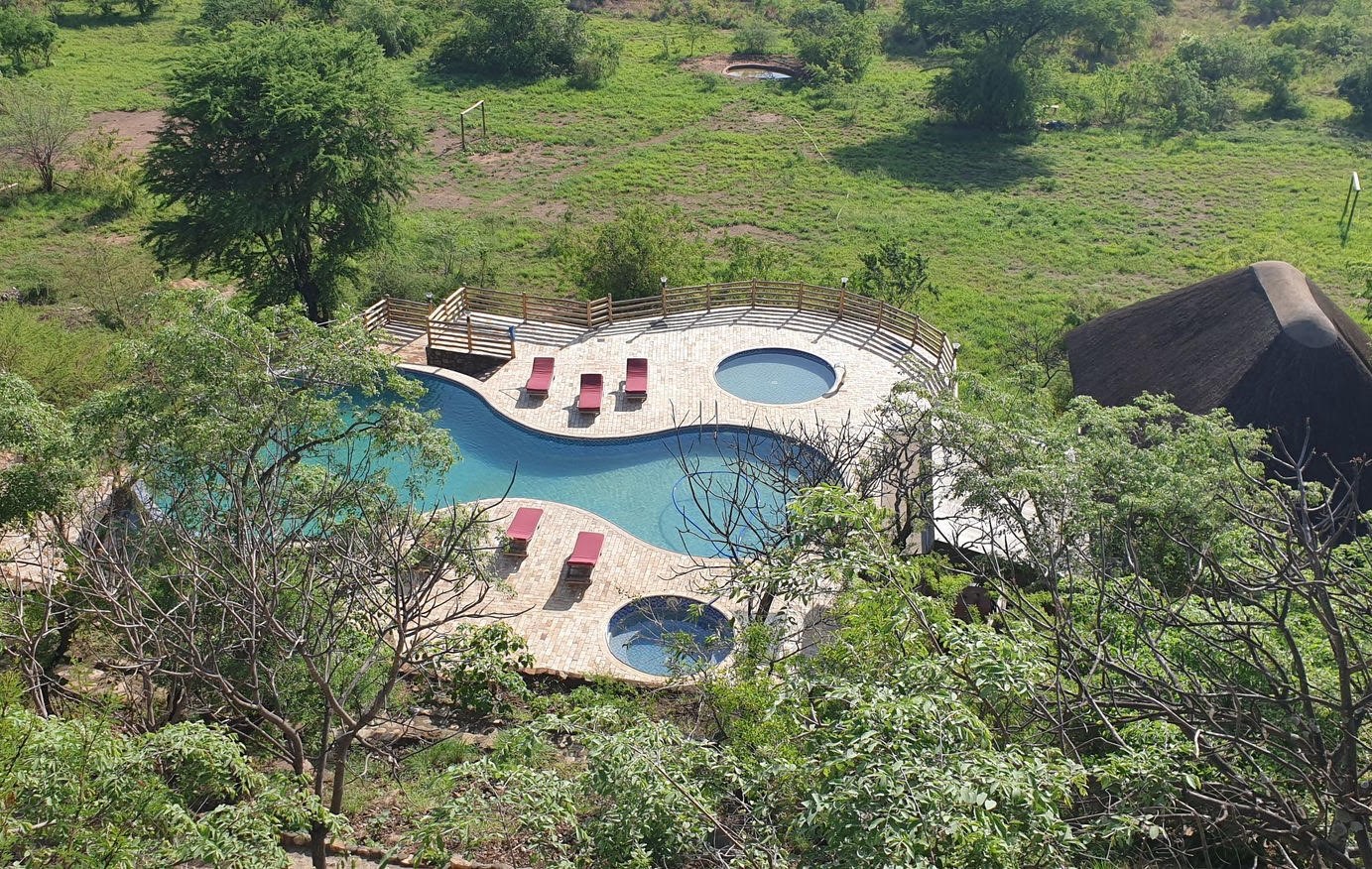
Kidepo Valley National Park has a wide range of Accommodation options ranging from luxury( high end) to mid range to budget lodges to make sure every traveller is catered for. Examples of the lodges in Kidepo Valley National Park include; 
– Apoka Safari Lodge 
– Adere Safari Lodge 
– Zebra Safari Lodge
– Apoka Rest Camp 
– Kidepo Savanna Lodge
– Katurum Safari Lodge

  • Best time to visit Kidepo Valley National Park
    Kidepo Valley National Park can be visited all through the year though the best time to visit is during the dry season of September to March when the animals are much easier to see as they are concentrated around the various water sources.Kidepo is normally quite hot and receives little rain in April and May and is the worst time to go wildlife viewing as the paths and tracks are quite muddy and slippery and the wildlife is scattered. 
Where to stay

Kidepo Valley National Park has a wide range of Accommodation options ranging from luxury( high end) to mid range to budget lodges to make sure every traveller is catered for. Examples of the lodges in Kidepo Valley National Park include; 
– Apoka Safari Lodge 
– Adere Safari Lodge 
– Zebra Safari Lodge
– Apoka Rest Camp 
– Kidepo Savanna Lodge
– Katurum Safari Lodge

  • Best time to visit Kidepo Valley National Park
    Kidepo Valley National Park can be visited all through the year though the best time to visit is during the dry season of September to March when the animals are much easier to see as they are concentrated around the various water sources.Kidepo is normally quite hot and receives little rain in April and May and is the worst time to go wildlife viewing as the paths and tracks are quite muddy and slippery and the wildlife is scattered. 

Book Your Trip